

Knowing the types of pool algae in your pool is the first step to getting rid of them for good. Each type responds differently to treatment, and if you treat the wrong algae the wrong way, it can come back within days. From the common green slime to the stubborn black spots that cling to pool walls, each type has its own behavior, causes, and removal method. At BlueStars Parts, we provide the right pool equipment and replacement parts to help you tackle every algae problem head-on and keep your pool clean, clear, and swim-ready all season long.
Quick Diagnosis
|
Algae Type |
What it looks like |
Common location |
Difficulty level |
|
Green algae |
Bright green, slimy film or cloudy water |
Floating in water, coating walls and floor |
Easy |
|
Yellow / mustard algae |
Yellowish dust or sand-like powder |
Shady corners, steps, walls, and brushes off easily |
Moderate |
|
Black algae |
Dark black or blue-green spots, slimy texture |
Plaster walls, grout lines, deep end corners |
Hard |
|
Pink algae / pink slime |
Pinkish-red slimy patches (actually a bacterium) |
Behind fittings, ladder treads, skimmer edges, vinyl liners |
Moderate |
|
White water mold |
White mucus or shredded tissue paper floating in water |
Pipes, filters, baskets, ladders, often inside plumbing |
Very hard |
1. What Is Pool Algae?
Pool algae are tiny plant-like organisms that can enter your pool through wind, rain, swimsuits, pool tools, or contaminated water. Once algae spores enter the pool, they can multiply quickly if chlorine is low, circulation is weak, or water chemistry is unbalanced.
Algae usually grow on pool walls, steps, floors, and shaded areas. In more serious cases, algae-like organisms can also build up inside filters, pipes, skimmers, and other equipment. That is why regular brushing, filtering, water testing, and cleaning are essential, especially during warm weather.

Algae may begin as tiny spores, can rapidly spread, and turn your pool completely green (Source: BlueStars Parts)
2. Types of Pool Algae: Identification and Quick Fix
Not all pool algae are the same. Some types are easy to remove with brushing and shock treatment, while others can resist normal chlorine levels and return quickly if the filter, accessories, or pool surfaces are not cleaned properly. The sections below explain how to identify each common algae type and what to do first.
2.1 Green algae
Green algae is the most common type of pool algae and usually the easiest to treat. It can turn the water light green, dark green, or cloudy, and it may also form a slippery layer on pool walls, steps, and ladders. Green algae often appears when chlorine levels drop, the pump does not run long enough, or the pool has not been brushed regularly.
-
Difficulty: Easy
-
Expected clearing time: 1-2 days
Signs to look for:
-
Water looks cloudy, hazy, or green
-
Pool walls, steps, or ladders feel slippery
-
Green patches appear in corners or shaded areas
-
Brushing the wall releases green clouds into the water
-
Chlorine levels drop quickly after treatment
How to fix:
-
Step 1: Test and balance your pool water chemistry using a pool test kit, focusing on pH, chlorine, and alkalinity levels.
-
Step 2: Add pool shock to boost chlorine levels, then use a pool brush to scrub all surfaces where algae has developed, including walls, steps, and corners.
-
Step 3: Apply algaecide according to label directions and let the water circulate for at least 24 hours, then brush the pool surfaces a second time.
-
Step 4: Vacuum or backwash to remove any dead algae remaining at the bottom or in the filter.
Green algae can often be cleared within 24–48 hours if treated early. To prevent it from coming back, keep chlorine levels consistent, brush the pool weekly, and run the pump long enough each day.
 Green algae is the most common pool algae and is easy to treat (Source: BlueStars Parts)
2.2 Yellow or mustard algae
Yellow algae, also called mustard algae, often looks like dirt, pollen, or sand. It usually appears as yellowish or brownish powder on walls, steps, or shaded corners. Because it brushes away easily, many pool owners mistake it for normal debris. The main issue is that mustard algae often returns quickly if pool accessories, brushes, toys, and cleaning tools are not disinfected during treatment.
-
Difficulty: Moderate
-
Expected clearing time: 3-5 days
Signs to look for:
-
Yellow, brown, or sand-like patches on pool surfaces
-
Growth appears mostly in shaded or low-circulation areas
-
Patches brush away easily but return within a day or two
-
Algae may appear on pool toys, floats, brushes, or ladders
-
Water may look mostly clear even when algae is present
How to fix:
-
Step 1: Remove all pool accessories, toys, and floats from the water and disinfect them thoroughly, as mustard algae spores can survive on surfaces outside the pool and reintroduce themselves.
-
Step 2: Vigorously brush all pool surfaces - walls, floor, steps, and corners - to loosen the algae before any chemical treatment is applied.
-
Step 3: Add a yellow algae-specific treatment (such as Yellow Out), then shock the pool - mustard algae requires around three times the standard shock dose due to its chlorine resistance.
-
Step 4: Keep the pump running continuously during treatment, brush daily for at least 72 hours after the final shock, then vacuum to remove dead algae from the bottom.
Mustard algae can be stubborn because it spreads easily through contaminated surfaces. Cleaning accessories and tools is just as important as treating the pool water.
2.3 Black algae
Black algae is one of the hardest pool algae problems to remove. It usually appears as dark black, blue-green, or greenish-black spots that cling tightly to plaster, concrete, grout lines, and other porous surfaces. Unlike green algae, black algae does not usually turn the whole pool cloudy. Instead, it anchors into the surface and forms a protective outer layer, making it more resistant to normal chlorine treatment.
-
Difficulty: Hard
-
Expected clearing time: 1–2 weeks
Signs to look for:
-
Small black or blue-green spots on pool surfaces
-
Spots feel rough, slimy, or raised
-
Growth is firmly attached and does not brush off easily
-
Common in plaster, concrete, gunite, grout lines, and corners
-
Spots may return after normal shock treatment
How to fix:
-
Step 1: Start by cleaning and backwashing your pool filter to remove any spores already trapped in the system, then test and balance the water chemistry, and lower the pH to 7.2–7.4 to maximize chlorine effectiveness.
-
Step 2: Aggressively scrub every black spot with a stiff pool brush to break through the protective biofilm and expose the colony to chemicals.
-
Step 3: Add a black algae-specific algaecide around the perimeter of the pool, then shock with calcium hypochlorite at a significantly higher dose than normal - continue brushing the affected areas daily throughout treatment.
-
Step 4: Clean the filter a second time after the shock treatment to clear out dead algae debris, then retest and balance water chemistry before allowing anyone back in the pool.
Since brushing is the single most critical step in breaking down black algae's protective layer, having the right tool matters - the 5 Inches Swimming Pool Brush is built to handle tough plaster and gunite surfaces without damaging the finish, making every scrub session more effective. When in doubt, bring in a professional rather than letting it spread further.
 5 Inches Swimming Pool Brush (Source: BlueStars Parts)
2.4 Pink algae or pink slime
Pink algae is not actually algae. It is a type of bacteria that forms a pink, red, or orange slimy layer in areas with poor circulation, low sanitizer levels, or limited sunlight. It often appears around fittings, ladders, skimmers, steps, and vinyl liners. Pink slime can make surfaces very slippery and may come back if equipment and accessories are not cleaned thoroughly.
-
Difficulty: Moderate
-
Expected clearing time: A few days
Signs to look for:
-
Pink, red, or orange slimy patches
-
Growth appears near fittings, ladders, skimmers, or shaded areas
-
Pool surfaces feel extra slippery
-
Slime returns after light brushing or weak treatment
How to fix:
-
Step 1: Vigorously brush the entire pool, walls, floor, and equipment, to break through the bacteria's protective slime coating so chemicals can reach it.
-
Step 2: Pink slime is highly resistant to standard sanitizers. Apply a heavy dose of chlorine shock to effectively kill the bacteria.
-
Step 3: Keep the pool pump and filtration system running non-stop for at least 24 hours to circulate the shock treatment evenly and filter out the dead bacteria.
-
Step 4: Deep clean your pool filter using specialized chemicals or replace the filter media, and soak all pool toys and cleaning tools in a chlorine solution to prevent reinfection.
>> Read more: How to Clean Your Pool Filter: Guide for Every Filter Type
Pink slime is easier to control when you improve circulation, maintain proper sanitizer levels, and expose covered or shaded areas to sunlight when possible.
2.5 White water mold
White water mold is not algae either. It is a fungus-like growth that often appears as white flakes, mucus-like strands, or tissue-like pieces floating in the water. It can grow inside pipes, filters, baskets, ladders, and other damp areas with poor circulation or low sanitizer levels. Because it often hides inside the plumbing and filter system, it can be difficult to remove completely.
-
Difficulty: Very hard
-
Expected clearing time: Several days or longer
Signs to look for:
-
White flakes floating on the water
-
Material looks like shredded tissue or mucus
-
Pool water may appear cloudy in some areas
-
Filter clogs quickly or pressure rises faster than usual
-
White buildup appears in baskets, ladders, or plumbing areas
How to fix:
-
Step 1: Backwash your sand or DE filter, or thoroughly clean/replace your cartridge filter. White water mold breeds heavily inside the filtration system, so this area must be addressed first.
-
Step 2: Because white water mold has a tough protective shell, you need to shock the pool with 3 to 4 times the normal dose of chlorine and maintain this high level for several days.
-
Step 3: Use a stiff pool brush to vigorously scrub every inch of the pool. Afterward, manually vacuum the pool (set the multiport valve to "Waste" to bypass the filter) to remove the fungal spores completely. Do not use a robotic cleaner.
-
Step 4: Leave the pump running continuously for 3 to 4 days. Monitor the chlorine levels, add more if they drop, and perform one final deep clean of the filter once the mold is completely eradicated.
White water mold is a sign that the pool has been under-sanitized or poorly circulated for too long. After treatment, regular filter cleaning and consistent water balance are essential to prevent it from coming back.
 White water mold is an occurring fungus that thrives in a damp environment (Source: BlueStars Parts)
3. Pool Algae Symptom Checker
Use this quick checker if you are not sure which type of algae or algae-like growth is in your pool.
|
Pool Symptom |
Likely Algae Type |
What to Do First |
|
Cloudy green water or green slimy patches on walls and floor |
Green algae |
Brush all surfaces, shock the pool, and clean the filter |
|
Yellow or brown dust-like patches in shaded areas |
Mustard algae |
Brush affected areas, disinfect pool accessories, and treat with mustard algae product |
|
Small black or blue-green spots that do not brush off easily |
Black algae |
Scrub spots aggressively with the correct brush and use black algae treatment |
|
Pink, red, or orange slimy patches around fittings or ladders |
Pink slime |
Brush the slime off, shock the pool, and deep clean the filter |
|
White flakes or tissue-like pieces floating in the water |
White water mold |
Clean the filter, brush the pool, shock the water, and vacuum thoroughly |
4. How to Prevent Pool Algae
Removing algae takes time, so prevention is always easier than treatment. A consistent pool maintenance routine helps stop algae spores from growing into a full bloom. Use this checklist to keep your pool clean and balanced:
-
Maintain proper water chemistry: Test your water at least twice a week and keep chlorine, pH, and alkalinity within the recommended range for your pool.
-
Brush the pool weekly: Brush walls, steps, corners, and ladders to remove early algae growth before it spreads.
-
Run the pump long enough each day: Good circulation helps distribute sanitizer evenly and prevents stagnant areas where algae can grow.
-
Remove leaves and debris quickly: Organic debris feeds algae, so skim the surface and clean baskets regularly.
-
Shock after heavy use or storms: Rain, heat, and heavy swimmer load can lower sanitizer levels and create conditions for algae growth.
-
Clean the filter system regularly: Backwash sand or DE filters, rinse cartridge filters, and check filter pressure so circulation stays strong.
-
Keep pool cleaning equipment clean: Brushes, vacuums, cleaner bags, and pool toys can carry algae spores back into the water.
To maximize your cleaner's efficiency and ensure it traps dirt, leaves, and organic matter securely, make sure you are using a reliable debris bag like the K13 K16 Pool Cleaner Zippered Bag. A durable, zippered bag prevents trapped debris from spilling back out into your pool water.
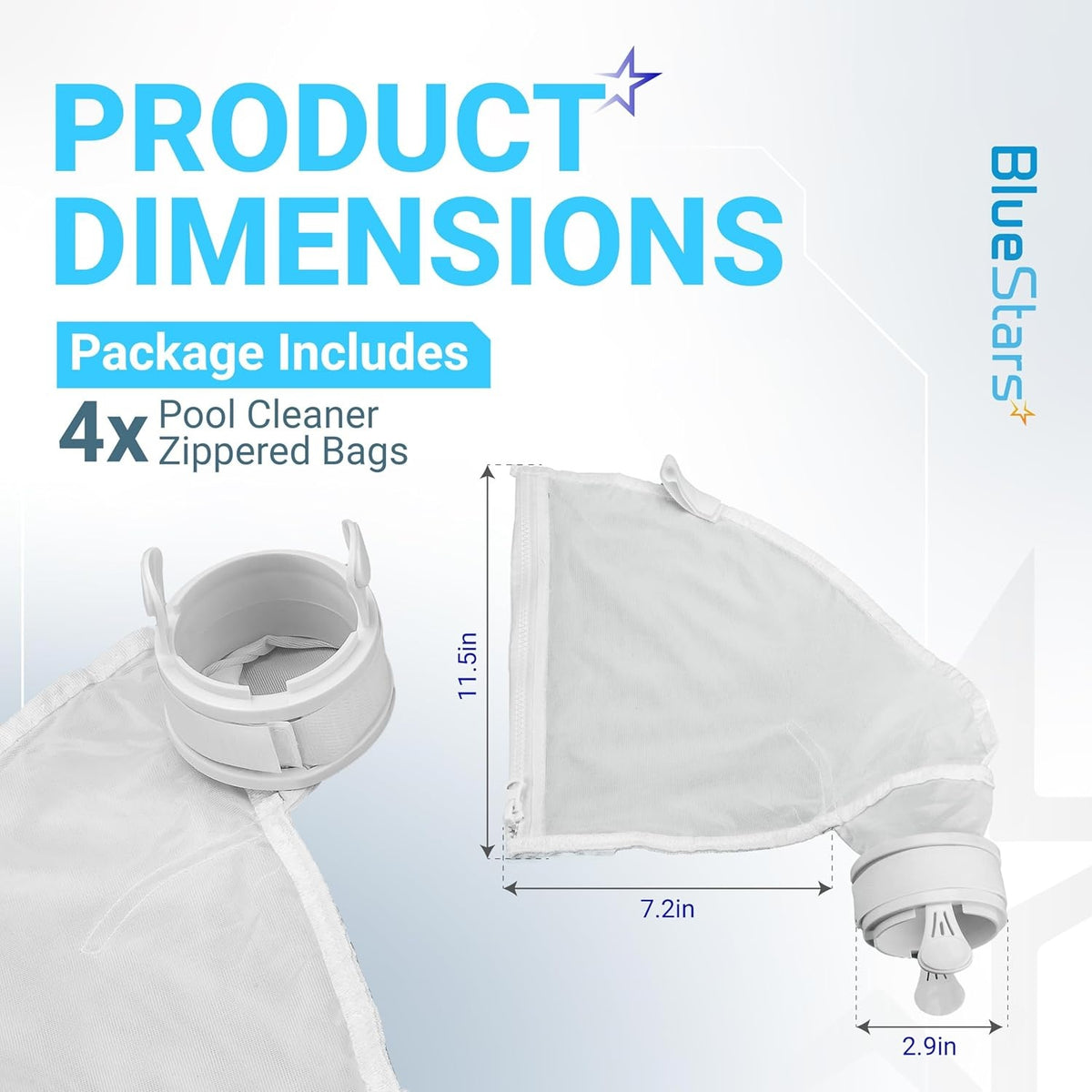 K13 K16 Pool Cleaner Zippered Bag (Source: BlueStars Parts)
>>> Read more: How to Keep Pool Clean: 7 Simple Maintenance Ways
5. FAQs
5.1 What is the most common type of pool algae?
The most common type of pool algae is green algae. It typically appears as green water or a slimy coating on pool walls and floors, especially when chlorine levels are low or water circulation is poor. Green algae spreads quickly in warm conditions, but is also the easiest type to treat with proper sanitation and filtration.
5.2 What is the hardest pool algae to remove?
Black algae is considered the hardest type of pool algae to remove. It forms dark spots on pool surfaces and develops deep root-like structures that embed into porous materials like plaster or concrete. Its protective outer layer makes it highly resistant to normal chlorine levels, so it often requires aggressive scrubbing and specialized treatments.
5.3 How do I know if I have mustard algae or dirt?
Mustard algae can look very similar to dirt, but there are key differences. It usually appears as yellowish or powdery patches on pool walls, especially in shaded areas, and may brush off easily but return within a day or two. In contrast, dirt typically settles on the pool floor and does not reappear after cleaning. If the substance keeps coming back in the same spots, it is likely mustard algae rather than dirt.
5.4 How do I get rid of algae in pool water fast?
To remove algae quickly, you should shock the pool with a high dose of chlorine, brush all surfaces to break up algae growth, and run the filtration system continuously. Vacuuming the pool and cleaning the filter are also important to remove dead algae and prevent it from returning. In many cases, adding an algaecide can speed up the process and improve results.
5.5 Can algae damage pool equipment?
Yes, algae can affect pool equipment over time. It can grow inside plumbing, filters, and other components, reducing water flow and filtration efficiency. In some cases, algae buildup can clog systems or cause additional strain on pumps and filters, leading to increased maintenance or potential damage if left untreated.
Understanding the different types of pool algae is the key to keeping your pool clean, safe, and inviting all season long. By identifying algae early and applying the right treatment, you can prevent costly issues and maintain crystal-clear water with ease. For reliable maintenance solutions and quality replacement components, BlueStars Parts offers dependable options to help keep your pool system running efficiently and algae-free.
Contact information:
8 The Green, Ste A, Dover, Delaware 19901-3618, United States
Website: https://bluestarsparts.com/
Explore Related Articles
Why Is My Pool Pump Not Working? Troubleshooting Tips


